











News Topics

-
 Congratulations to Graduate student Yuki Funabiki on the JpGU-AGU Joint Meeting 2026 Outstanding Student Presentation Award Congratulations to graduate student Yuki Funabiki at the Earthquake Sour[…]
 -
 Congratulations to Associate Professor Masahiro Kurata et.al on the Japan Architectural Review’s Most Cited Paper Award 2026 A paper by Associate Professor Masahiro Kurata and colleagues has been s[…]
 -
 Tornedos Do Not Immediately Weaken Upon Making Landfall: Movement Speed Determines Maintain Tornedo Intensity Tornadoes are meteorological phenomena that generate localized, violentl[…]
 -
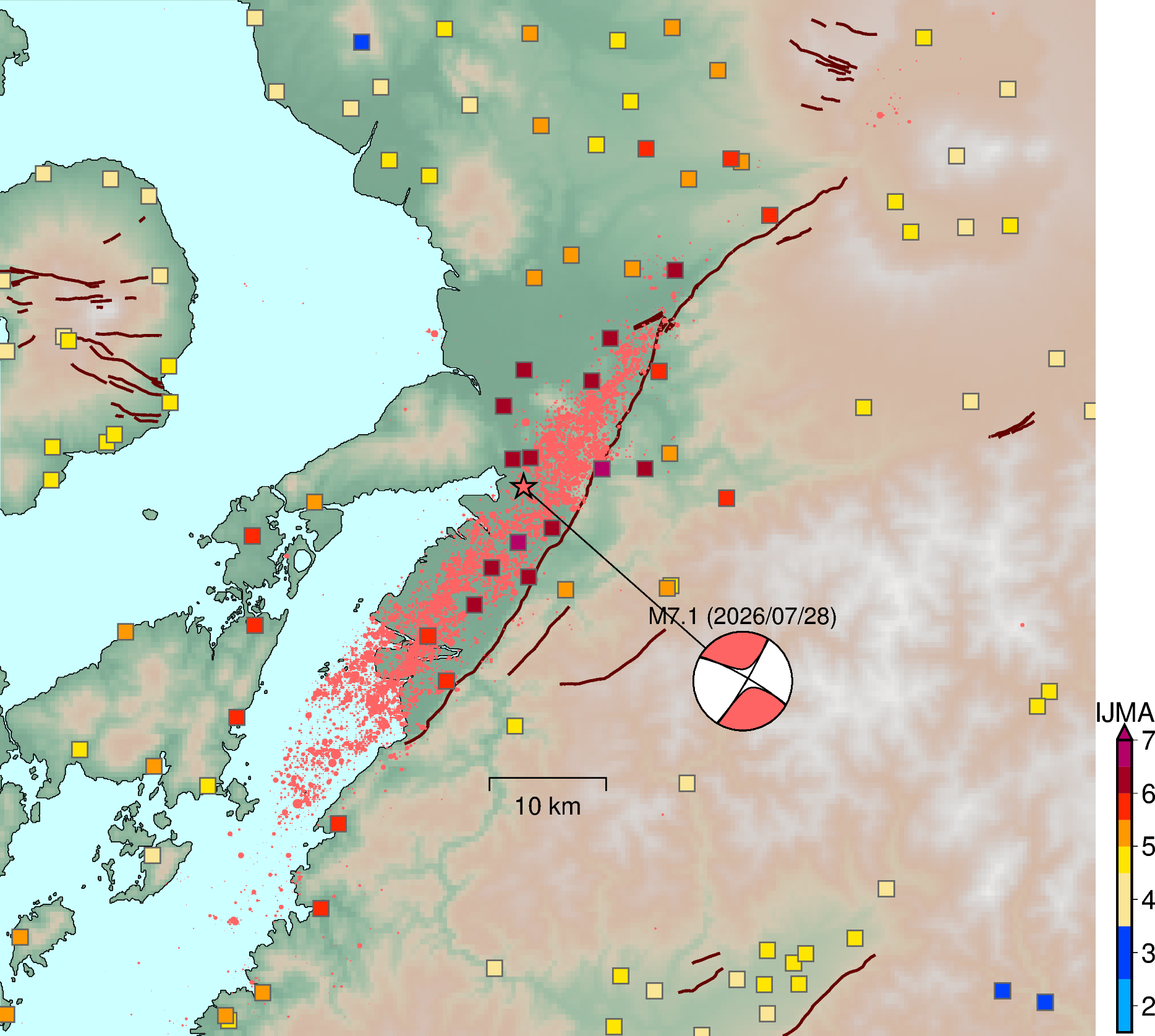 Disaster Survey Report on the 2026 Kumamoto Earthquake We express our deepest condolences to those who have lost loved ones in […]
 -
 Congratulations to Alumnus Taiki Uno on the ISPRS Congress Best Young Author Award 2026 Congratulations to Alumnus Taiki Uno who received the Best Young Author […]
 -
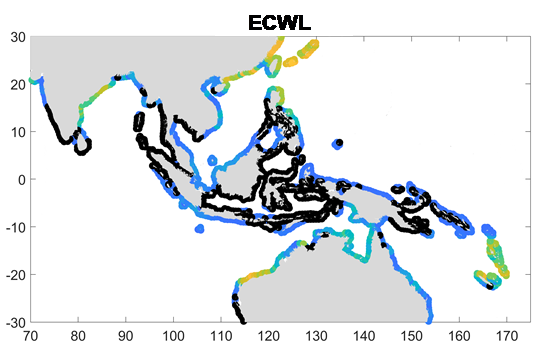
 Published Paper on “Assessment of Future Nonstationary Changes in Extreme Sea Levels Considering Climate Change for Southeast Asia Using High-Resolution Climate Forcing” A research team led by graduate student Calvin Sandi, Assistant Professo[…]
 -
 Congratulations to Associate Professor Kyohei Ueda on the 2025 Editorial Board Member Award from Soils and Foundations Associate Professor Kyohei Ueda was honoured with the 2025 Editorial Boa[…]
 -
 Congratulations to Professor Hiromasa Yamaguchi, Professor Emeritus Eiichi Nakakita, and et.al on the 2025 JSCE Best Paper Award A joint paper authored by Professor Hiromasa Yamaguchi, Professor Emerit[…]
Events

-
120th Sogo Bosai seminar (Oct 6)Date : 2026.10.06 (Tue)
Place : S519D of Main building, Uji campus and Online
Target : Researcher, Student, General
-
Date :
Tue, 06 Oct. 2026 15:00 - 17:00
120th Sogo Bosai seminar (Oct 6)
We are pleased to announce the 120th Sogo Bosai Seminar (Oct 6, Tuesday). The[…]
Recruitment

-
Deadline : Mon, 07 Dec. 2026
Associate Professor Position in the Research Section of River Disaster Prevention Systems, DPRI-KU
【English】Details of the Job Openings The Disaster Prevention Researc[…]
-
Deadline : Fri, 27 Nov. 2026
Associate Professor Position in the Research Section of Dynamics of Foundation Structures, DPRI-KU
【English】Details of the Job Openings The Disaster Prevention […]
-
Deadline : Mon, 14 Dec. 2026
Professor Position in the Research Section of Safety Control of Urban Space, DPRI-KU
【English】Details of the Job Openings The Disaster Prevention […]
-
Deadline : Fri, 16 Oct. 2026
Associate Professor Position in the Research Section of Hydrometeorology, DPRI-KU (This position is only open to female applicants.)
【English】Details of the Job Openings The Disaster Prevention […]
-
Deadline : Tue, 13 Oct. 2026
Professor Position in the Research Section of Adaptation Planning and Management, DPRI-KU
【English】Details of the Job Openings The Disaster Prevention […]
-
Deadline : Tue, 13 Oct. 2026
Professor Position in the Research Section of Disaster Risk Management, DPRI-KU
【English】Details of the Job Openings The Disaster Prevention […]
-
Deadline : Tue, 13 Oct. 2026
Professor Position in the Research Section of Earthquake Resistant Structures, DPRI-KU
【English】Details of the Job Openings The Disaster Prevention […]
-
Deadline : Mon, 19 Oct. 2026
Professor Position in the Research Section of Crustal Activity Information, DPRI-KU
【English】Details of the Job Openings The Disaster Prev[…]